
A small organization
held to a public standard.
International Esperanza Project is a Dallas registered charitable organization delivering programs in Guatemala. Michelle Hollaender founded it in 2017. Most of the staff are Guatemalan and based in Guatemala, working alongside the communities the programs serve.
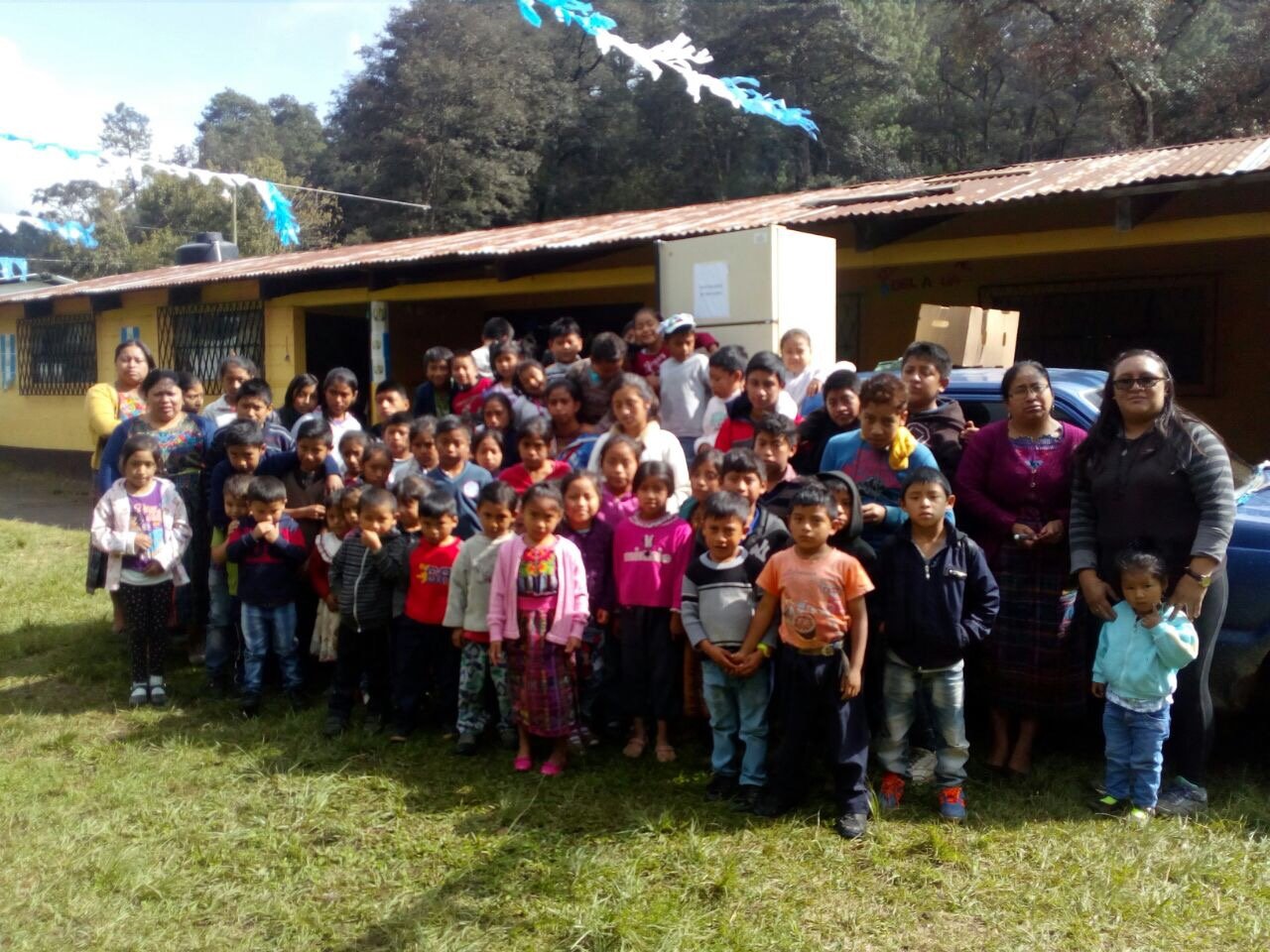
Three classrooms in Tecpán.
In September 2017, after a mission trip, the team had leftover food and wanted it to reach families who could use it. Handing it out around Tecpán led to an introduction to El Molino, a small rural school where roughly 150 children, from one year old through sixth grade, shared three classrooms.
That visit became the Education Pillar. Nobody involved knew where it would go. They stayed.
We do not yet know where this journey will lead, but we are excited to walk alongside this community.IEP, September 2017
Students who arrived as children have since finished high school. Some went on to university. Others trained at the Esperanza Center and MangoChango Academy and are now working as cooks, as waiters, and as software developers. Vocational training was never part of the original plan.
Read the whole story- Founded
- 2017By Michelle Hollaender, born in Guatemala City, after more than two decades working in the nonprofit sector.
- Legal status
- 501(c)(3)A registered charitable organization. EIN 81-5106545. Contributions are tax deductible to the extent allowed by law.
- Headquarters
- Dallas, Texas3141 Hood Street, Suite 800, Dallas, Texas 75219.
- Where the work happens
- GuatemalaPrograms run year round, delivered by Guatemalan staff and supported by visiting volunteer teams.
- Transparency
- Candid Platinum SealAwarded for 2026. Our Form 990 filings and financial summaries are published on this site.
- Programs
- Homes, health, educationThree pillars, described in full on the pillar pages.
Two groups, one accountable to the other.
A volunteer board sets direction and holds leadership to account. A paid staff, most of it Guatemalan, delivers the programs. Visiting volunteer teams work alongside that staff rather than in place of it.
Board of Directors
The directors are unpaid. They approve the budget, oversee the finances, and are responsible for the organization's long term direction and for the conduct of its leadership.
See the boardLeadership and staff
Executive leadership in Dallas, and program, finance, and logistics teams based in Guatemala. Teachers, technicians, nurses, coordinators, and the people who keep the schools and clinics open.
Meet the teamYou should be able to check.
Two records are published here and kept current: what was spent, and what was delivered. Both carry the period they cover, so you can see how recent they are.
Financials
Revenue, expenses, and how much went to programs, taken from the filed Form 990 rather than restated. Alongside the organizational details a grantmaker or donor advised fund will ask for.
Read the financialsImpact
What the programs actually delivered, counted by year across all three pillars, with the reporting date shown. Stoves and filters, clinic and surgical care, and education are each reported separately.
See the resultsQuestions we have not answered here?
Reach out, travel with a volunteer team, or look at the ways you can support the work already underway.
